As childhood obesity rates continue to rise globally, parents and healthcare providers are exploring various ways to help children achieve healthier weights. While lifestyle changes like diet and exercise are the foundation of weight management, in some cases, weight loss drugs for children may be considered as part of a comprehensive treatment plan. However, these medications are not a quick fix and come with risks that require careful evaluation and medical supervision.
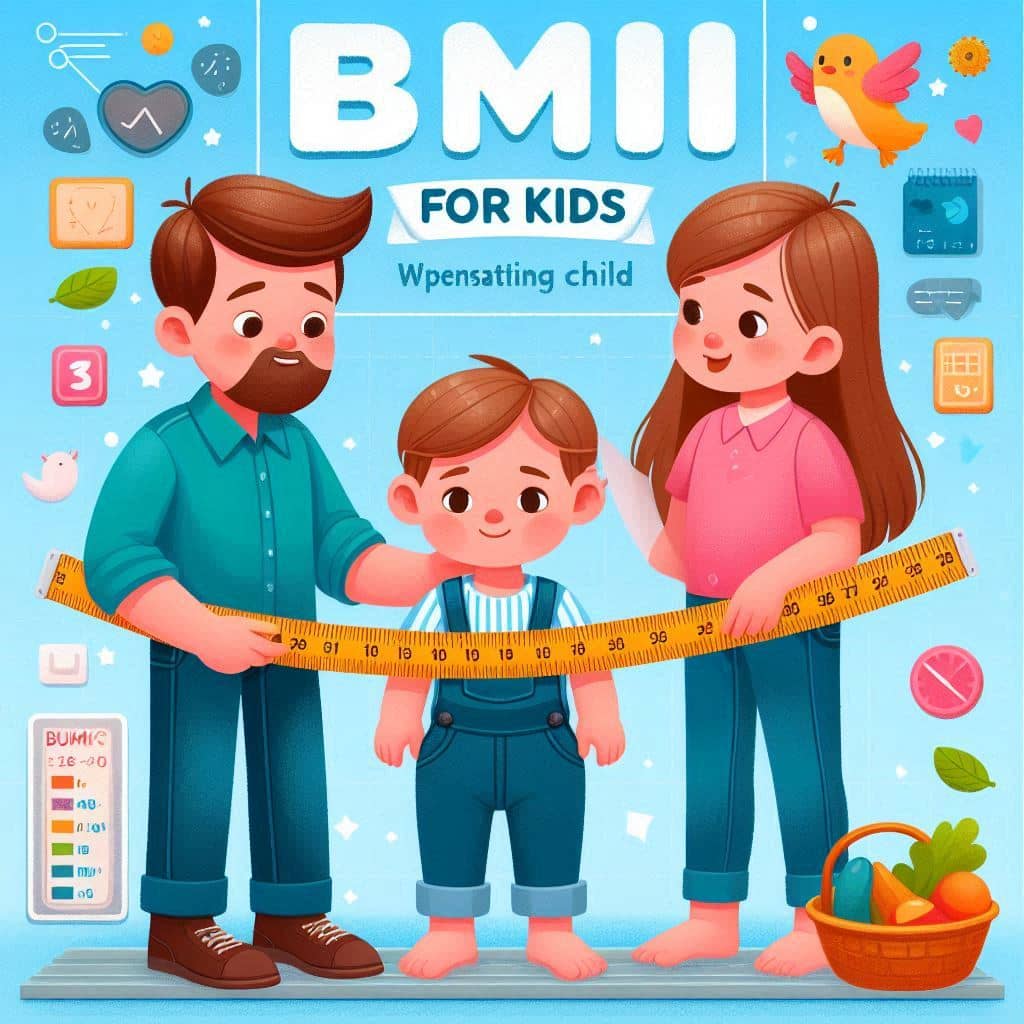
The Growing Concern of Childhood Obesity
Childhood obesity is a complex issue Childhood Obesity influenced by genetics, behavior, environment, and socio-economic factors. Overweight children are at a higher risk for developing serious health conditions such as type 2 diabetes, high blood pressure, joint problems, and even psychological issues like low self-esteem and depression. In extreme cases where lifestyle changes do not produce adequate results, healthcare providers might consider the use of weight loss medication as a supportive option.
Are Weight Loss Drugs Safe for Children?
The safety of weight loss medications for children is a highly debated topic. While there are a few medications that have been approved for use in adolescents, they are typically reserved for those with severe obesity or related health complications. The U.S. Food and Drug Administration (FDA) has approved a limited number of pediatric weight loss drugs, and these are usually prescribed when the potential health benefits outweigh the risks.
It is essential to note that these medications are not suitable for all children. They are generally recommended only after other weight loss strategies—like improved diet, increased physical activity, and behavioral therapy—have failed to show results.
Commonly Prescribed Weight Loss Drugs for Children
Some of the weight loss medications approved for use in adolescents include:
- Orlistat (Alli, Xenical): This drug works by reducing the amount of fat absorbed in the intestines. It is FDA-approved for adolescents aged 12 and older. However, it can cause gastrointestinal side effects such as oily stools, gas, and abdominal pain.
- Phentermine/Topiramate (Qsymia): This combination drug is approved for adolescents 12 and older with a body mass index (BMI) at or above the 95th percentile. It works by suppressing appetite and promoting a feeling of fullness.
- Liraglutide (Saxenda): Originally used for diabetes, this injectable drug is FDA-approved for weight management in children aged 12 and above. It helps regulate appetite and food intake.
It is crucial that these medications be prescribed and monitored by a pediatrician or specialist, as they can have side effects and are not suitable for long-term use in many cases.
Potential Risks and Side Effects
While weight loss drugs can help children lose weight, they are not without risks. Potential side effects include:
- Nausea and vomiting
- Abdominal discomfort
- Sleep disturbances
- Increased heart rate
- Mood changes or behavioral issues
Parents should be fully informed about the potential risks and benefits before considering medication for their child. Ongoing medical supervision is necessary to monitor for adverse reactions and ensure that the medication is working as intended.
Lifestyle Changes Still Matter
Even when weight loss drugs are prescribed, they should never replace healthy habits. Medication should be viewed as a supplement to—not a substitute for—nutritious eating, physical activity, and positive lifestyle changes. Involving the entire family in the journey toward better health can significantly improve outcomes.
Focus on:
- Preparing balanced, home-cooked meals
- Encouraging at least 60 minutes of physical activity per day
- Reducing screen time
- Offering emotional support and positive reinforcement
Conclusion
Weight Loss Drugs for Children can be an effective part of a larger weight management strategy when used appropriately and under medical supervision. However, they are not suitable for every child and must be carefully considered in the context of a child’s overall health. Ultimately, fostering healthy habits and supportive environments remains the most sustainable and effective approach to managing childhood obesity. Always consult with a qualified healthcare professional before starting any medication for weight loss in children.
 Site Title
Leave a comment